
Homeowners in Cartersville Georgia are facing increased risk of septic system issues as aging systems and soil conditions continue to impact performance across Bartow County. New information based on field experience from Anytime Septic highlights common warning signs of drain field failure and outlines the steps homeowners can take to respond early and reduce damage.
Septic systems rely on a balance between the tank and the drain field. The tank separates solids from wastewater while the drain field filters liquid through soil. When the drain field stops working, the system cannot manage wastewater effectively. This leads to visible and hidden problems that affect both property and health.
Data gathered from service calls across northwest Georgia shows that many homeowners do not recognize early warning signs. According to field observations, drain field failure often develops over time but becomes visible only after the system reaches a critical point.
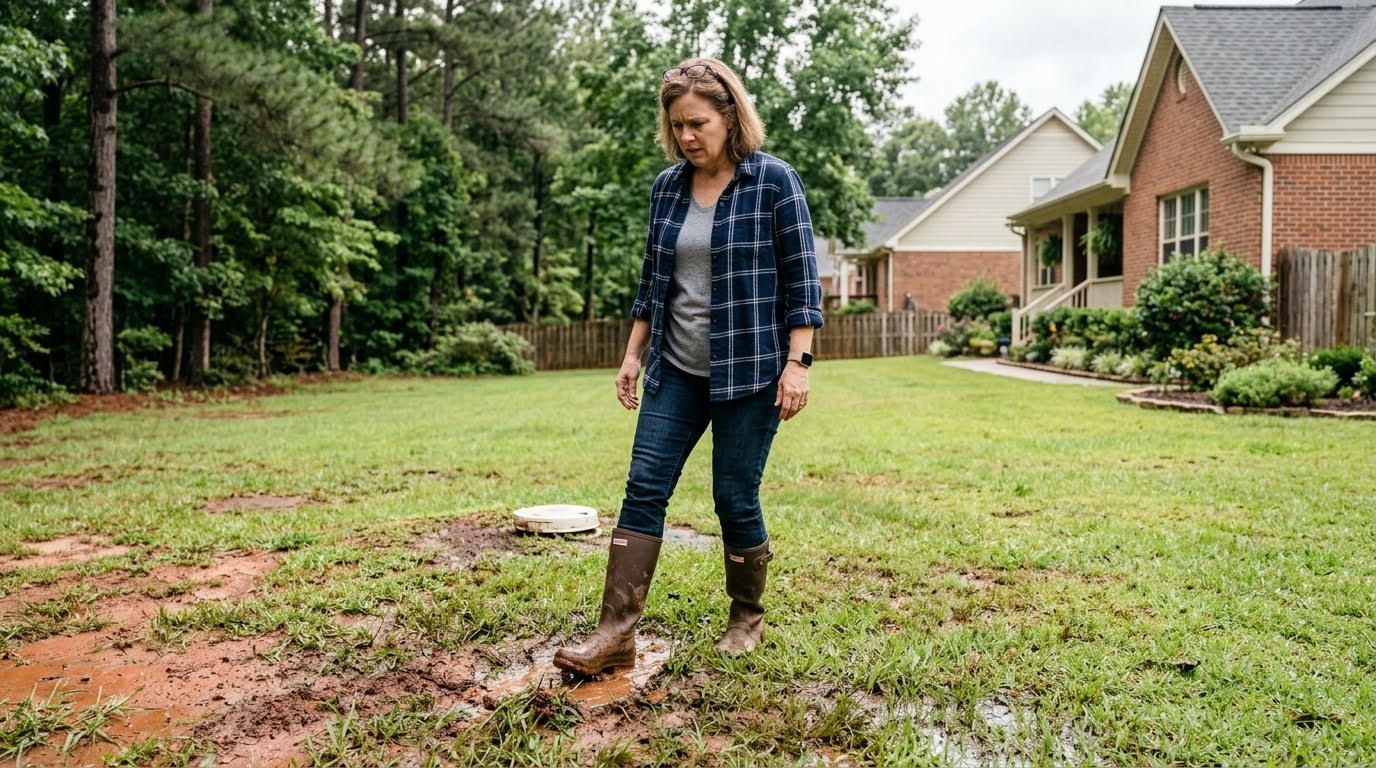
One of the most common signs is standing water in the yard. Wet or soggy areas above the drain field often indicate that the soil can no longer absorb wastewater. This issue appears even during dry periods and signals that the system is under stress. Clay soil in Georgia contributes to this condition because it holds water and drains slowly.
Another key indicator is the presence of sewage odors outdoors. A strong smell near the drain field suggests that wastewater is reaching the surface without proper filtration. Warm temperatures in Georgia can increase the intensity of these odors, especially during summer months.
Changes in grass growth also provide clues. Bright green patches of grass above drain lines may seem healthy but often point to excess nutrients from wastewater rising close to the surface. This uneven growth pattern reflects underlying system imbalance.
Inside the home, slow drains across multiple fixtures can signal a larger issue. When sinks, tubs, and toilets all drain slowly at the same time, the problem often lies beyond individual pipes. It suggests that the septic system cannot move water out fast enough due to a failing drain field.
In more severe cases, wastewater can back up into the home. This creates serious health risks because raw sewage contains harmful bacteria and pathogens. Property damage also increases quickly in these situations, which makes early detection critical.
Gurgling sounds in plumbing systems serve as another warning sign. These sounds occur when air becomes trapped due to poor wastewater flow. While this issue may seem minor, it often appears alongside other signs of system strain.
Maintenance history plays a major role in system health. Septic tanks require regular pumping to remove solids. Without routine service, solids can move into the drain field and block pipes. This reduces the ability of the system to filter wastewater and often leads to failure.
Alex Laldin marketing director at Anytime Septic explains the importance of early awareness. He states that many homeowners wait until the problem becomes urgent. He says early signs give people a chance to act before costs increase and damage spreads.
He adds that regular inspection and maintenance remain the most effective ways to extend system life. He explains that simple actions such as scheduled pumping and reduced water load can prevent major repairs.
Environmental factors in Cartersville also affect septic performance. Heavy rainfall and compact soil conditions can overwhelm systems that are already under strain. Properties with older installations face higher risk as systems approach the end of their expected lifespan.
Drain fields typically last between fifteen and twenty five years depending on usage and maintenance. Systems that receive consistent care may last longer while neglected systems often fail earlier. Once failure occurs, repair options depend on the extent of damage.
Initial response often includes pumping the tank to reduce pressure on the system. This step can provide temporary relief and help identify the level of failure. In some cases, reducing water usage allows the drain field to recover partially.
If damage is limited to a specific section, targeted repair may restore function. This involves replacing damaged pipes and improving soil conditions in affected areas. However, widespread failure usually requires full drain field replacement.
Replacement involves installing a new system that meets current standards and soil requirements. This process requires planning and permits to ensure proper function. Costs vary based on property size and soil type but increase significantly when problems are ignored.
Laldin emphasizes the role of education in preventing system failure. He states that clear information helps homeowners recognize early signs and seek professional evaluation. He notes that informed decisions lead to better outcomes for both property and environment.
Local service data shows that delayed response often leads to higher costs. Problems that begin as minor repairs can escalate into full system replacement when left untreated. Early inspection provides more options and reduces long term expense.
The information also highlights the importance of proper system use. Avoiding heavy water use within short periods and preventing vehicle traffic over drain fields can reduce strain on the system. Tree roots near drain lines should also be monitored as they can block pipes over time.
Public awareness of septic system function remains limited despite its importance in many residential areas. In Cartersville and surrounding communities, many homes rely on septic systems rather than municipal sewer connections. This makes proper care essential for long term property value and environmental safety.
As population growth continues in Bartow County, demand for reliable wastewater systems increases. Understanding how septic systems work and recognizing early warning signs can help homeowners maintain safe and functional properties.
Laldin concludes that consistent maintenance and early action remain the best strategies. He states that homeowners who stay aware of system behavior can avoid major disruptions and protect their investment.
The findings aim to inform residents across Cartersville Georgia and nearby areas. By identifying common warning signs and understanding system behavior, homeowners can take steps to manage risks and maintain system performance over time.
###
For more information about Anytime Septic of Cartersville, contact the company here:
Anytime Septic of Cartersville
Toby Evans
(678) 679-8074
anytimesepticpr@gmail.com
