GrinderCrusherScreen has published a new wood chipper buying guide to help contractors, recyclers, tree care crews, and land clearing operators compare machine types and buying factors before making an equipment decision. The new resource explains how wood chippers work, how they differ from grinders, and what buyers should review when sizing or inspecting a machine for a given operation.
The guide was released through the company’s equipment resources section as part of a broader effort to give buyers a clearer starting point before they commit to a machine class. According to the article, confusion between chippers and grinders remains common in the market, especially among buyers who are trying to match output quality, feedstock, and production goals without enough side-by-side information.
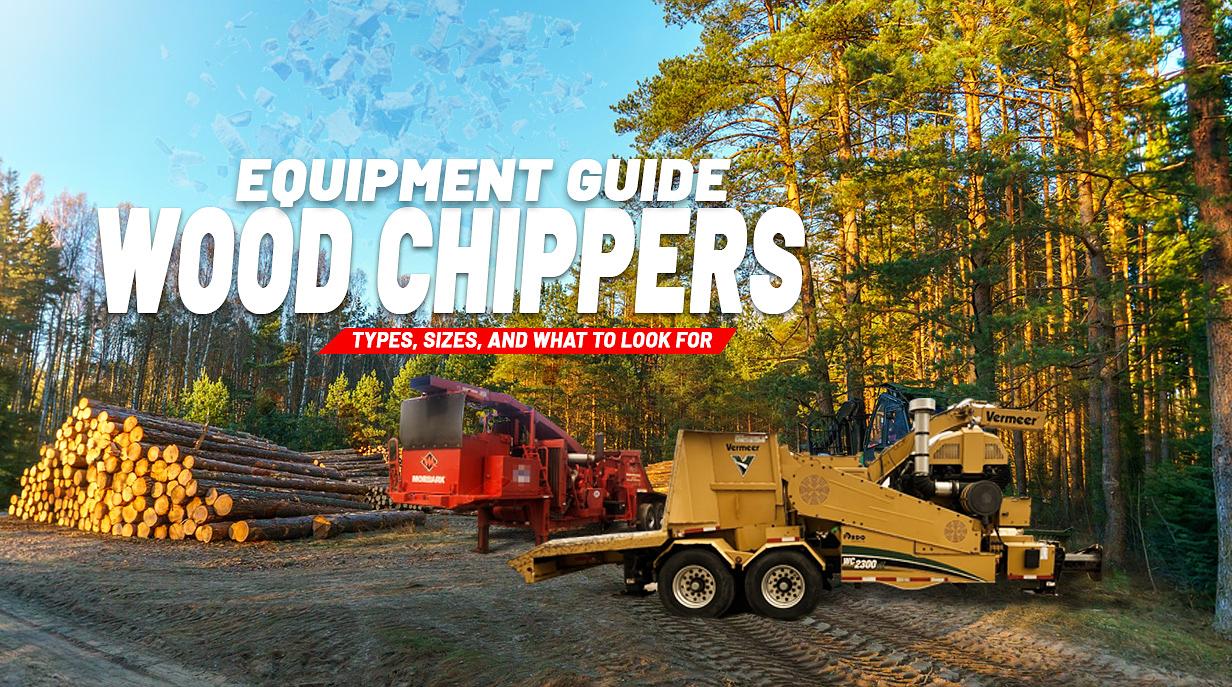
“Buyers often start by looking at horsepower or brand before they sort out what the machine actually needs to do,” said Alex Laldin, Marketing Director for GrinderCrusherScreen. “The guide was written to help people look first at the material, the chip quality they need, and the volume they plan to run.”
According to the new guide, a wood chipper uses knives mounted on a spinning disc or drum to cut wood into chips, while a grinder uses hammers to break material down into a rougher output. The article says that difference matters because chippers are better suited for clean wood such as logs, limbs, brush, and tree tops, while grinders are generally a better fit for mixed or contaminated material such as stumps, root balls, pallets, and storm debris. The guide presents that distinction as one of the first decision points for any buyer entering the market.
The published resource also compares the main chipper types used in commercial and industrial work. Disc chippers are described as producing the most uniform chips and are positioned as a good fit for biomass fuel, pulp supply, and other applications where chip consistency matters. Drum chippers are presented as more forgiving with crooked limbs, forked branches, and brush, making them a practical choice for tree care, right-of-way clearing, and general chipping work. Whole tree chippers are described as high-capacity machines built to process full trees in large-scale land clearing, logging, and biomass supply operations.
Sizing guidance is another key part of the article. The guide says the right machine depends on three main factors: the diameter of material being processed, the production volume required, and the available power source. It explains that buyers should size a chipper around the material they process regularly rather than occasional oversized pieces, since larger machines raise purchase cost, fuel use, and maintenance demands. The article also breaks down common power ranges, from smaller PTO-driven units for farms and light-duty work to self-powered diesel machines and high-horsepower whole tree chippers for continuous production.
The guide also outlines feed system differences. Gravity feed systems are described as simple but slower, while controlled feed rollers are shown as the standard on modern commercial chippers because they pull material in at a rate that adjusts to engine load. Larger production machines are described as using horizontal feed tables or conveyors so loaders can place large material into the infeed on a continuous basis.
For used equipment buyers, the article includes an inspection section focused on practical wear points rather than general advice. It directs buyers to review knives, anvils, drum or disc condition, feed system response, hydraulic lines, engine hours, frame condition, and discharge chute operation before closing a deal. The guide notes that worn knives are common and manageable, but structural cracking, hydraulic problems, and neglected engine condition can lead to more serious repair costs after purchase.
Brand selection is also addressed, with the article naming Bandit, Vermeer, Morbark, Rayco, Woodsman, and Altec among the brands commonly seen in the market. The guide notes that parts access and dealer support remain important factors in addition to machine size and configuration. GrinderCrusherScreen places that advice within a broader buying approach that centers on material type, output needs, and machine condition rather than a single spec sheet number.
The article also places wood chippers in a wider operating context. It points to tree care, land clearing, biomass fuel production, landscape supply, logging, municipal cleanup, utility work, and orchard removal as common applications where chippers can produce a saleable or reusable output from clean wood streams. Maintenance guidance is also included, with the article stressing knife condition, anvil checks, daily bearing greasing, feed roller wear, belt condition, and stocked wear parts as routine steps that affect output quality and machine uptime.
GrinderCrusherScreen publishes equipment guides and supplies new and used machines, parts, and related support for wood waste processing, screening, shredding, and crushing applications. The company’s equipment resources section includes articles aimed at helping buyers compare machine types before they move into the sales process.
###
For more information about GrinderCrusherScreen, contact the company here:
GrinderCrusherScreen
Rick Cohen
(770) 433-2670
Sales@GrinderCrusherScreen.com
1772 Corn Rd, Smyrna, GA 30080
