GrinderCrusherScreen, a heavy equipment dealer headquartered in Smyrna, Georgia, is helping contractors, land clearing professionals, and recycling operators better understand the role air curtain burners play in modern wood waste disposal. Through new educational content and equipment support, the company is highlighting how air curtain burners provide a faster, cleaner, and more controlled alternative to traditional open burning for customers throughout North America.
As demand grows for practical ways to handle vegetative debris, land clearing waste, storm cleanup material, and forestry byproducts, GrinderCrusherScreen says more contractors are asking when an air curtain burner makes sense and how the technology works in real-world applications. The company’s latest guidance explains that an air curtain burner is a controlled combustion system designed to burn clean wood waste and vegetative debris quickly while reducing visible smoke and particulate emissions compared with conventional open burning.
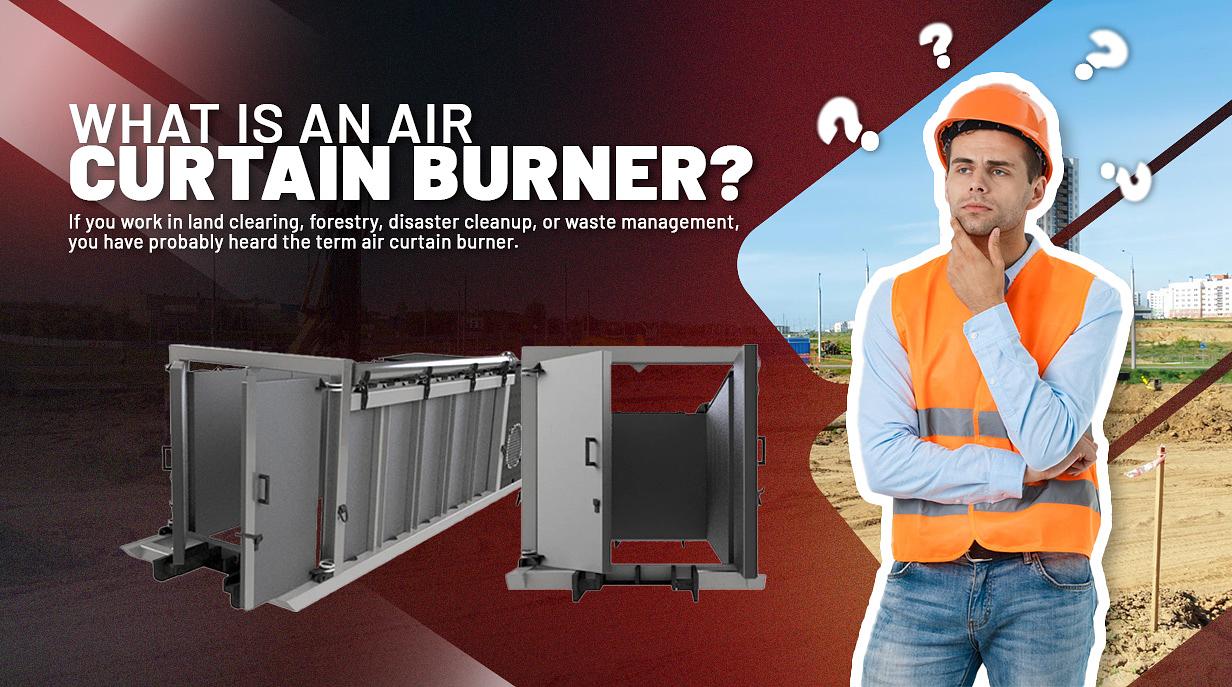
“Contractors across North America are looking for equipment that helps them process material efficiently while staying practical in the field,” said Alex Laldin, Marketing Director for GrinderCrusherScreen. “Air curtain burners give many operations a way to eliminate clean wood waste on site without relying on slower, less controlled disposal methods.”
According to GrinderCrusherScreen, the technology works by using a diesel-powered fan to push a high-velocity wall of air across the top of a burn chamber. That air curtain acts like a lid, trapping smoke, ash, and particulate matter inside the combustion zone and forcing it back into the fire for more complete combustion. The company states that properly operated units can reach temperatures of 1,800 degrees Fahrenheit or higher, leaving only a small fraction of the original material behind as ash.
Industry and regulatory sources similarly describe air curtain burners as systems that project a curtain of air across a fire box, pit, or trench in order to contain combustion and reduce smoke and particulate emissions compared with open burning. The Monterey Bay Air Resources District says air curtain burners can be used for wood waste such as trees and brush and generally produce less smoke and particulate matter than traditional outdoor open burning.
GrinderCrusherScreen, which has operated from Smyrna since 1973, says customer interest in air curtain burners reflects broader changes in how contractors approach debris management. The company serves buyers across the United States and Canada and supplies equipment for recycling, screening, shredding, grinding, crushing, and related material processing applications.
“Even though we are based in Smyrna, our customers are working jobs all over North America, from regional land clearing projects to large-scale disaster cleanup operations,” Laldin said. “They need equipment that matches the demands of the site, the material stream, and the regulatory environment.”
GrinderCrusherScreen explains that air curtain burners are used in several major sectors, including land clearing, forestry, right-of-way maintenance, disaster debris removal, agriculture, and landfill volume reduction. In these settings, the equipment is often used to dispose of stumps, brush, logs, timber slash, storm debris, and other clean vegetative waste directly at or near the worksite, reducing the need for hauling and off-site disposal.
The company’s educational overview also distinguishes between several types of air curtain burners. Above-ground units, sometimes called FireBox-style systems, use refractory-lined steel containers and are often chosen for controlled, self-contained operation. Trench burners use an excavated trench and are typically selected for large, high-volume jobs involving oversized debris such as full-length logs, large stumps, and root balls. Portable and towable units are designed for smaller jobs and crews that move frequently between sites.
GrinderCrusherScreen notes that air curtain burners are not a one-size-fits-all replacement for grinders. In many operations, grinders and air curtain burners serve different purposes. A grinder may be the better option when the goal is to turn wood waste into mulch, biomass fuel, compost feedstock, or another reusable product, while an air curtain burner may be preferred when the goal is complete disposal of clean wood waste with no need to stockpile or market an end product.
That distinction is especially important for contractors trying to choose the right equipment mix for a project. According to GrinderCrusherScreen, some large clearing operations use both types of machines, grinding material that has resale or reuse value while using an air curtain burner for debris that is better eliminated on site.
“Choosing between burning and grinding is not just about the machine,” Laldin said. “It comes down to the material, the jobsite, the production goals, and whether there is value in the finished product. In many cases, the most efficient answer is a combination of both.”
The company also emphasizes that permitting and environmental compliance remain part of the decision. GrinderCrusherScreen says air curtain burner rules vary by state and local jurisdiction, though federal regulation 40 CFR Part 60 provides a framework for air curtain incinerators used for clean wood waste. The company encourages buyers to review state and local requirements before operation and says it works with customers to help them better understand the equipment category and purchasing considerations.
In addition to educational resources, GrinderCrusherScreen offers new Merris air curtain burners and handles used units from Air Burners Inc and other manufacturers. The company says its long-standing position in the equipment market, in-house industry knowledge, and parts support help customers evaluate which machines fit their applications, whether they are running local crews in Georgia or managing projects elsewhere in North America.
As wood waste disposal rules, hauling costs, and operational demands continue to evolve, GrinderCrusherScreen says contractor education remains critical. By explaining how air curtain burners work and where they fit, the company aims to help buyers make more informed equipment decisions that improve jobsite efficiency and support better material management outcomes.
GrinderCrusherScreen is a Smyrna, Georgia-based heavy equipment dealer that has operated since 1973. The company supplies new and used equipment, parts, and support for customers in recycling, land clearing, crushing, screening, shredding, and other material processing industries across North America.
###
For more information about GrinderCrusherScreen, contact the company here:
GrinderCrusherScreen
Rick Cohen
(770) 433-2670
Sales@GrinderCrusherScreen.com
1772 Corn Rd, Smyrna, GA 30080
